Quantum’s Open Source Community Is Building the Industry. We Should Understand It Better.
Quantum computing gets measured in qubits, gate fidelities, funding rounds, and roadmaps. Those measures matter. But they tell us relatively little about the people building the software that makes the hardware useful.
What tools do they use? What backgrounds do they bring? Where do they get stuck? What helps someone move from being curious about quantum computing to making a contribution?
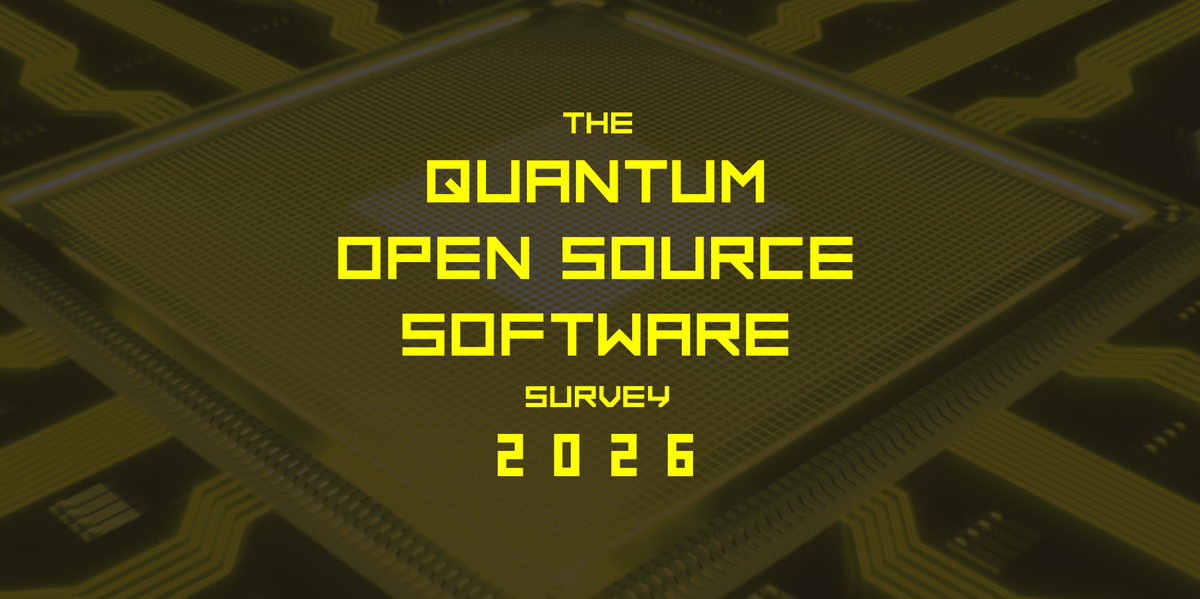
The Unitary Foundation’s 2026 Quantum Open Source Software Survey is an opportunity to build a better understanding of that community. I think the resulting data is particularly valuable at this stage of the industry’s development.
We are still making foundational choices about how quantum software gets built, how people learn to use it, and how research becomes something others can reproduce and extend. Better information about the people doing that work can help us make better choices.
Consider a concrete example from the 2025 survey results: requests for learning, mentorship, and training, alongside collaboration and community building, were the leading categories in the open-ended feedback. Documentation and source code also remained more highly ranked than chatbots as sources of answers when developing quantum software.
For someone deciding where to put engineering time or community funding, that is useful information. A working example, clearer documentation, or access to an experienced contributor could make a meaningful difference to someone trying to get started. Those needs are easy to overlook when attention is concentrated on the next hardware milestone.
Open source gives people a way into quantum computing. You can inspect an implementation, test an idea in a simulator, reproduce a result, report a problem, or improve a tool someone else has built. Each of those activities creates an opportunity to learn and contribute.
That matters for an industry that needs expertise from several disciplines. A software engineer needs a way to understand the assumptions behind an algorithm. A physicist needs tools that support sound software engineering. A student needs a first task they can complete and someone who can help them understand what comes next.
The community around a project helps those people work together. Maintaining code, reviewing contributions, answering questions, and explaining design decisions all take time. The availability of that support affects how much value others can get from the software.
At this early stage, I see a strong industry argument for supporting that shared work. When teams can build on reliable tools, inspect each other’s methods, and reuse existing implementations, they can spend more of their effort on the problems that still need solving. Companies benefit from a larger pool of capable developers and a stronger technical foundation for their own products.
Understanding the community helps us see where that foundation needs attention. It can inform decisions about training, project support, developer experience, and the resources maintainers need to keep useful software working.
The survey data is itself a contribution to that shared foundation. Unitary Foundation says it will publish the anonymized results publicly, and previous years’ aggregated datasets are available for others to examine and use. That gives researchers, educators, companies, and community organizers a common resource for asking their own questions.
Of course, a voluntary survey reflects the people it reaches and those who choose to respond. We should read the results with that in mind. It is also a reason to encourage participation beyond the people already most visible in the community. The experience of someone just getting started can reveal problems that an experienced maintainer no longer encounters.
If you build or use quantum software, please contribute your perspective. According to the Foundation’s announcement, the survey takes approximately 20 minutes and is open through October 29, 2026.
Take the 2026 Quantum Open Source Software Survey, then share it with a colleague, student, or project community. Helping the industry understand the people building its software is a practical contribution we can make today.